How to Create 5 Year Professional Plan
Jun 28, 2024
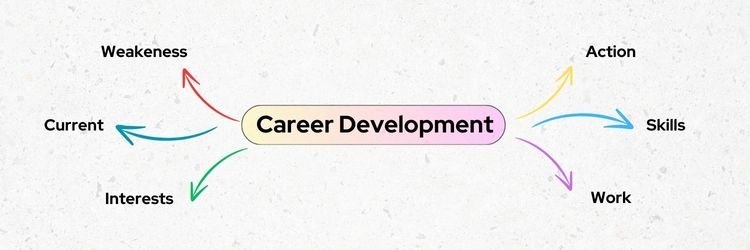
Planning for the future can be daunting, but creating 5 year professional plan can help turn your career dreams into reality. This guide will provide you with a fresh approach to designing a plan that suits your unique ambitions and goals.
Step 1: Dream Big and Start with the End in Mind
Visualize Your Ideal Future:
- Imagine Your Day: Picture a typical day five years from now. Where are you working? What kind of tasks are you handling? Who are you interacting with?
- Environment and Culture: Think about the work environment. Are you in a bustling office, working remotely, or running your own business? Consider the company culture and values.
- Role and Responsibilities: Identify the position you aspire to hold. What responsibilities will you have? What impact will you make?
Define Your Ultimate Goal:
- Clear and Specific: Write down a goal that is specific and clear. Instead of “I want to be successful,” aim for “I want to be the lead product designer at a top tech company.”
- Ambitious and Exciting: Ensure your goal is ambitious enough to challenge you and exciting enough to keep you motivated.
Step 2: Break Down Your Goal into Manageable Milestones
Annual Milestones:
- Year 1: Gain advanced skills relevant to your target role. For instance, “Complete an advanced UX design course and build a portfolio.”
- Year 2: Secure a position that offers hands-on experience. For example, “Get hired as a junior UX designer at a reputable firm.”
- Year 3: Advance to a mid-level position. “Get promoted to a mid-level UX designer role and lead small projects.”
- Year 4: Take on more responsibility and leadership. “Become a senior UX designer and mentor junior colleagues.”
- Year 5: Achieve your ultimate goal. “Become the lead product designer at a top tech company.”
Quarterly Objectives:
- Quarterly Planning: Break down each year into four quarters. Set smaller objectives for each quarter to ensure consistent progress.
- Example for Year 1:
- Q1: Research and enroll in an advanced UX design course.
- Q2: Complete the first module of the course and start a side project.
- Q3: Finish the course and update your portfolio with new projects.
- Q4: Apply for junior UX designer positions and prepare for interviews.
Step 3: Innovate Your Learning Approach
Embrace Unconventional Learning:
- Online Courses and Webinars: Enroll in courses and attend webinars related to your field.
- Workshops and Bootcamps: Participate in intensive training programs that offer hands-on experience.
- Industry Conferences: Attend conferences to learn about the latest trends and network with professionals.
Mentorship and Reverse Mentorship:
- Find a Mentor: Look for a mentor who has achieved what you aspire to. Seek their advice and learn from their experiences.
- Reverse Mentorship: Offer to mentor someone less experienced. Teaching others can deepen your understanding and introduce new perspectives.
Step 4: Network Creatively and Authentically
Leverage Social Media:
- LinkedIn: Create a professional LinkedIn profile. Share updates, articles, and achievements regularly. Engage with industry leaders by commenting on their posts.
- Twitter and Forums: Join Twitter chats and industry-specific forums. Participate in discussions and share your insights.
Attend Unique Networking Events:
- Startup Weekends and Hackathons: Participate in events that bring together creative minds and innovators.
- Meetups and Volunteer Projects: Join local meetups related to your field and volunteer for projects that align with your interests.
Step 5: Create a Personal Brand
Build an Online Presence:
- Personal Website or Blog: Develop a website to showcase your skills, projects, and achievements. Write blog posts about your industry insights and experiences.
- Portfolio: Regularly update your portfolio with new projects and accomplishments.
Craft Your Elevator Pitch:
- Concise Summary: Prepare a short and compelling summary of who you are, what you do, and what you aim to achieve. Practice delivering it confidently to potential employers or networking contacts.
Step 6: Monitor and Adapt Your Plan
Regular Reviews:
- Quarterly Check-Ins: Set aside time every quarter to review your progress. Are you meeting your milestones? What challenges have you encountered?
- Adjustments: If necessary, adjust your plan based on your progress and any new opportunities or challenges that arise.
Stay Agile:
- Be Ready to Pivot: Life and industries can change rapidly. Be open to adapting your plan if new opportunities arise or if your interests evolve.
Step 7: Balance Ambition with Well-Being
Prioritize Self-Care:
- Work-Life Balance: Ensure you maintain a healthy balance between work and personal life. Schedule time for relaxation, hobbies, and social activities.
- Physical Health: Incorporate regular exercise, a balanced diet, and sufficient sleep into your routine.
Mindfulness and Reflection:
- Mindfulness Practices: Practice mindfulness techniques such as meditation or yoga to stay focused and reduce stress.
- Regular Reflection: Reflect on your journey regularly. Are you aligned with your core values and passions? Make adjustments as needed to stay true to yourself.
Conclusion
Creating a five-year professional plan with a fresh and personalized approach can set you on a path to achieving your career aspirations. By dreaming big, breaking down your goals, embracing innovative learning, networking creatively, building a personal brand, monitoring progress, and balancing well-being, you can navigate your career with confidence and purpose.
Latest Blogs
UAE Leads Arab Region in Automotive Investment for 2024
Jan 22, 2025

Stress Management Myths You Need to Stop Believing
Jan 21, 2025

How to Turn Informational Interviews into Job Offers
Jan 20, 2025

Golden Visas 101 – Your Guide to Residency Through Investment
Jan 17, 2025

EGA recruits 113 Emirati women in 2024, accelerating Emiratisation efforts
Jan 16, 2025