Unlock Your Potential Through Micro-Adventure
Jul 29, 2024
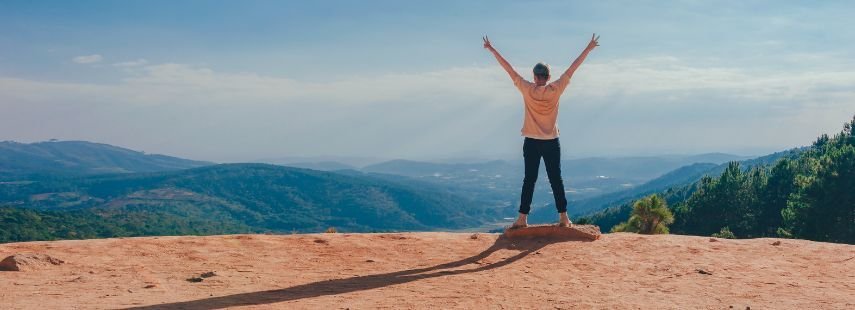
In the realm of personal development, the term “micro-adventure” might not be as ubiquitous as meditation, journaling, or goal-setting. However, incorporating micro-adventures into your life can provide a unique and transformative path to personal growth.
What is a Micro-Adventure?
A micro-adventure is a short, simple, and local adventure that is easy to plan and execute, often requiring less than 24 hours. Coined by British adventurer Alastair Humphreys, the concept encourages people to step out of their comfort zones and experience the thrill of exploration without the need for extensive travel or expense.
The Benefits of Micro-Adventures
1. Breaking Routine
Routine can be a double-edged sword. While it provides structure, it can also lead to monotony and stagnation. Micro-adventures introduce novelty and excitement, breaking the cycle of everyday life and refreshing your perspective. When we step outside our regular patterns, our brains get a chance to reset, making us more receptive to new ideas and opportunities.
2. Building Resilience
Micro-adventures often involve unexpected challenges, whether it’s navigating a new trail, dealing with weather changes, or setting up a campfire. These experiences help build resilience, teaching you to adapt and problem-solve in real-time. Overcoming these small but significant obstacles can boost your confidence and equip you with skills that are transferable to other areas of life.
3. Enhancing Creativity
Stepping into a new environment stimulates your brain, fostering creativity and innovative thinking. The new sights, sounds, and experiences can inspire fresh ideas and new ways of thinking that you can bring back to your daily life. Studies have shown that changing your surroundings can lead to greater cognitive flexibility, which is crucial for creative thinking.
4. Connecting with Nature
Spending time outdoors has been shown to reduce stress, improve mood, and boost mental health. Micro-adventures, often centered around natural settings, provide an accessible way to reap these benefits regularly. The tranquility and beauty of nature can serve as a powerful counterbalance to the stress and noise of modern life.
5. Strengthening Relationships
Sharing a micro-adventure with friends or family can strengthen bonds. The shared experience of discovery and overcoming challenges together creates lasting memories and deepens connections. Engaging in activities together outside of the usual environments can lead to more meaningful interactions and mutual support.
How to Plan a Micro-Adventure
1. Identify Local Spots
Look for local parks, trails, rivers, or historical sites you haven’t explored yet. Websites, local travel blogs, and community boards can be great resources. Sometimes, hidden gems are closer than you think, waiting to be discovered.
2. Keep It Simple
The essence of a micro-adventure is simplicity. Pack light, plan for basic needs, and embrace the minimalist approach. The goal is to reduce the barriers to adventure, making it easier to integrate these experiences into your life.
3. Set a Timeframe
Choose a time that works within your schedule. It could be an overnight trip, a full-day excursion, or even a few hours in the evening. The flexibility of micro-adventures means you can fit them in without major disruptions to your routine.
4. Invite Company (or Not)
Decide if you want to share the experience with others or if you prefer the solitude of solo exploration. Both options have their benefits: shared experiences can strengthen relationships, while solo adventures can provide time for introspection and self-discovery.
5. Be Safe
Ensure you have the necessary safety gear, inform someone of your plans, and check the weather forecast. Safety should always be a priority to ensure that your micro-adventure is enjoyable and worry-free.
Examples of Micro-Adventures
- Overnight Camping: Pitch a tent in a nearby forest or park. An overnight stay in nature can be incredibly refreshing, offering a break from technology and the chance to reconnect with simpler pleasures.
- Urban Exploration: Discover hidden gems in your city, such as murals, historical sites, or local eateries. Exploring your own city as a tourist can reveal surprising new facets and provide a deeper appreciation of your local area.
- Hiking and Biking: Find a trail you haven’t explored before and spend the day hiking or biking. Physical activity combined with new environments can invigorate both body and mind.
- Water Activities: Try kayaking, canoeing, or paddleboarding on a local river or lake. Water-based activities offer a different kind of adventure and can be very relaxing.
- Stargazing: Spend an evening outside the city limits, where the stars are more visible, and learn about constellations. Stargazing can be a peaceful and awe-inspiring experience, reminding us of the larger universe.
Overcoming Common Barriers to Micro-Adventures
Despite their simplicity, several barriers can still prevent people from embarking on micro-adventures. Understanding and addressing these barriers can make it easier to integrate micro-adventures into your life.
1. Time Constraints
One of the biggest barriers is time. Busy schedules can make it seem impossible to fit in any form of adventure. The key is to recognize that micro-adventures don’t require a significant time commitment. Even a few hours can make a difference. Planning ahead and setting aside specific times for these activities can help ensure they happen.
2. Perceived Effort
Another barrier is the perceived effort involved in planning and executing an adventure. By keeping things simple and focusing on local destinations, you can reduce the effort and make it more manageable. Over time, planning and executing micro-adventures can become second nature.
3. Financial Concerns
Many people associate adventure with high costs, but micro-adventures are designed to be affordable. Use public parks, free community events, and natural areas that don’t require an entry fee. The goal is to find joy and excitement in simplicity.
4. Physical Limitations
Physical limitations can also be a concern for some. Micro-adventures can be tailored to fit various fitness levels and abilities. Choose activities that match your physical capacity, and don’t be afraid to start small. The important thing is to get outside and experience something new.
Conclusion
Incorporating micro-adventures into your personal development routine can lead to profound benefits, both mentally and physically. These small, manageable adventures encourage you to step out of your comfort zone, foster creativity, build resilience, and reconnect with nature. They provide a refreshing break from the routine and offer opportunities for growth and exploration without the need for extensive planning or resources.
So, next time you feel the pull of routine or the stress of daily life, consider planning a micro-adventure. You might be surprised at how these small experiences can significantly impact your personal growth and well-being. Embrace the spirit of exploration, and unlock your potential through the power of micro-adventures.
Latest Blogs
Understand the Tax Policy in the Gulf Region
Jan 05, 2026

Know the Cost of Living in the Gulf Region
Dec 29, 2025

The Expanding Gulf Market: Know the Faster-Growing Sectors
Dec 19, 2025

UAE Leads Arab Region in Automotive Investment for 2024
Jan 22, 2025

Stress Management Myths You Need to Stop Believing
Jan 21, 2025