Know the Cost of Living in the Gulf Region
Dec 29, 2025
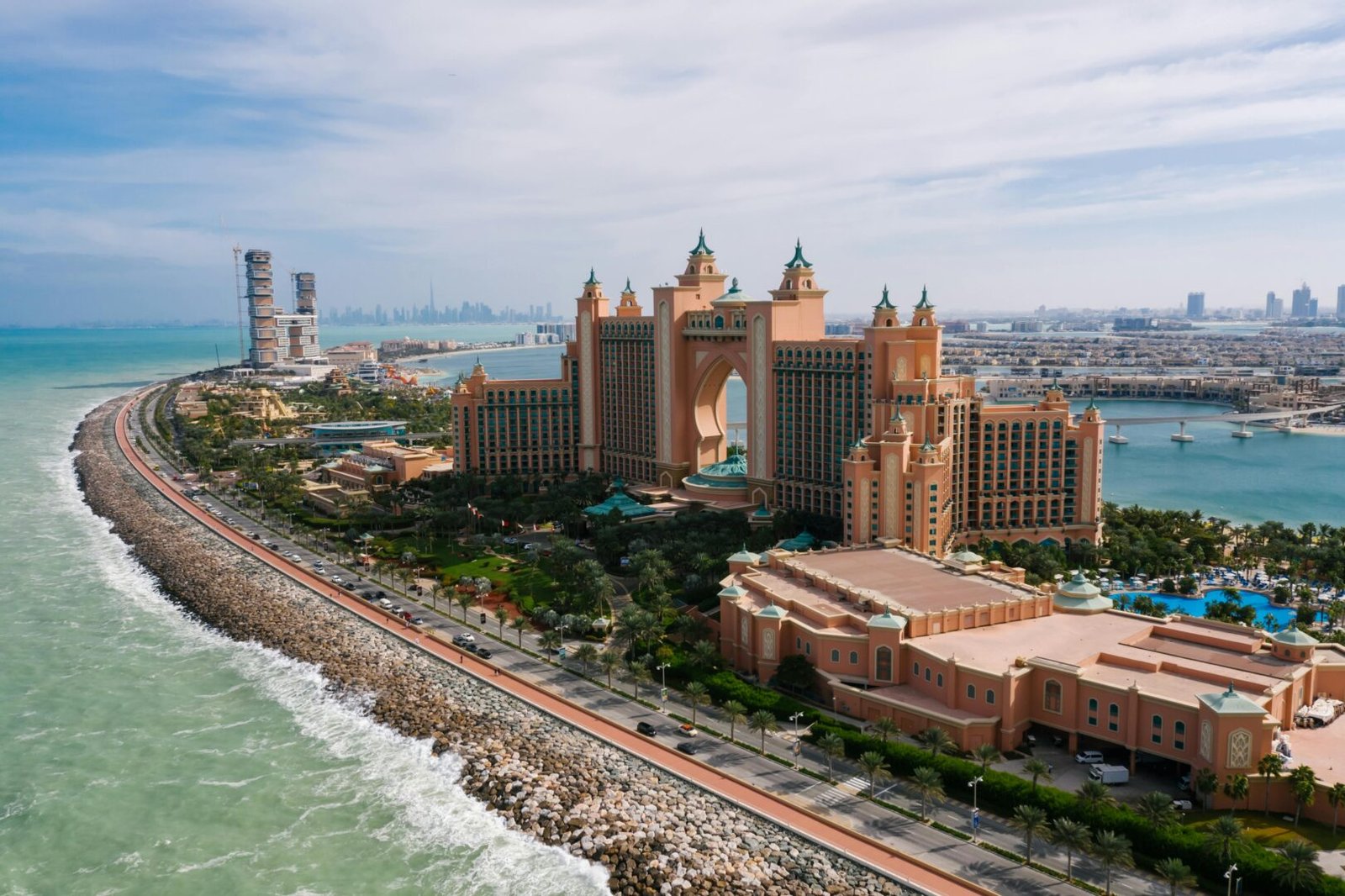
The Gulf Cooperation Council (GCC) is often associated with prosperity, high incomes, and
strong public services. For decades, oil wealth enabled governments to provide generous
subsidies, low taxes, and stable public sector employment. As a result, the perception has
long been that poverty in the Gulf is either minimal or non-existent.
However, recent data tells a more nuanced story.
While the GCC remains one of the wealthiest regions globally, the cost of living pressures and
Income inequality means that poverty does exist among nationals, and in some countries, it
affects a significant share of the population.
The Numbers Behind the Myth—
● UN ESCWA reports that poverty remains a significant but often overlooked issue
among GCC nationals.
● An estimated 3.3 million citizens across the GCC live in poverty.
● Poverty rates vary widely despite strong economic performance in the region.
● Qatar has the lowest poverty rate at ~0.4%.
● Saudi Arabia records the highest rate at ~13.6%, meaning nearly 1 in 7 nationals
lives in poverty.
● Oman faces notable challenges with ~10.1% of nationals affected.
● Bahrain’s poverty rate stands at ~7.5%.
These figures show that high national income and economic growth do not automatically
ensure economic security for all citizens; income disparities, unequal access to opportunities,
and rising living costs leave sections of the population vulnerable, highlighting the need for
targeted social protection and inclusive policy measures.
This highlights a critical reality that high national income does not automatically translate
into economic security for all citizens.
Has Poverty Improved Over Time?
There is also encouraging news. Between 2010 and 2021, poverty among GCC nationals
declined overall, with an estimated 528,000 people lifted out of poverty across the region.
Affordable Gulf countries like Saudi Arabia drove most of this progress, reducing its
poverty rate from 18.2% in 2010 to 13.6% in 2021, accounting for the majority of the
regional improvement. That said, the progress has not been evenly shared. However, progress
has been uneven However, poverty slightly increased in Bahrain and Kuwait, signalling
persistent challenges.
What Does It Cost to Live in the Gulf?
Discover what it costs to live in Bahrain, Saudi Arabia, the UAE, and Oman. From rent and
utilities to fuel, education, and domestic help, the estimated annual expenses, giving a quick
snapshot of the lifestyle price tag in each country.
1. Accommodation: The Largest Expense-
Housing often takes the biggest bite out of a family’s budget, and rental prices across the
Gulf show striking differences. Housing is a major family expense, with rental costs varying
widely across the Gulf. Bahrain and Saudi Arabia are the most affordable Gulf countries,
while Dubai and Abu Dhabi lead in high rents. Oman, particularly Muscat, offers moderate,
balanced pricing.
For families seeking spacious living without stretching their budget, Bahrain and Saudi cities
like Dammam and Jeddah, present strong value.
2. Utilities: Electricity, Water, and Gas-
Utility costs in the Gulf vary by consumption, tariffs, and subsidies. Electricity is cheapest in
Oman and Saudi Arabia, while Dubai and Abu Dhabi charge more. Water is most affordable
in Saudi Arabia and the priciest in the UAE, with Bahrain offering steady, mid-range rates.
For LPG (cooking gas), Bahrain leads with the lowest cost per kg, followed by Oman, while
UAE cities are much pricier. Overall, Bahrain stands out as a consistently affordable choice.
3. Telecommunication Costs-
Communication costs can add up quickly, and Bahrain offers the best value for both fixed-
line and mobile services. Saudi Arabia is pricier for fixed lines, while Oman tops the charts
for mobile costs. For families who rely heavily on mobile and internet, Bahrain clearly stands
out.
4. Vehicles and Fuel: Ownership vs. Usage-
Car prices across the GCC are largely similar, with models like the Audi A4 and Toyota
The Camry costs about the same. Fuel, however, varies: Bahrain offers the cheapest gasoline.
Saudi Arabia has ultra-low diesel prices, while the UAE and Oman are the most expensive.
For families relying on private transport, Bahrain and Saudi Arabia deliver the biggest
savings.
5. Education: A Major Cost for Families
Schooling is often one of the biggest costs for expatriate families, and the differences across
the region are significant. Bahrain and Dammam stand out for offering some of the most
affordable British curriculum school fees, while Saudi Arabia especially Riyadh and the UAE
come with much higher tuition costs, particularly at the secondary level. UAE schools
consistently rank among the most expensive across all age groups. For families with more
than one child, these education expenses can heavily influence relocation decisions, giving
Bahrain a clear and compelling advantage.
6. Domestic Help: Visa and Salary Costs
Domestic help is widely used across the GCC, but the cost differences are notable. Visa fees
are most affordable in Bahrain and the UAE, while Saudi Arabia and Oman impose
significantly higher charges. Monthly salaries are lowest in Jeddah and Dammam, with
Bahrain close behind, whereas Dubai stands out as the most expensive market for domestic
help. Overall, Bahrain offers an attractive balance, combining low visa fees with reasonable
monthly wages.
Latest Trends in the GCC
a. Poverty among GCC nationals has declined since 2010.
b. Over 528,000 people lifted out of poverty by 2021.
c. Saudi Arabia led much of this improvement.
d. Progress is uneven across countries.
Look at the annual operating costs for financial services tech hubs:
a. Bahrain: US$4.79M → most cost-competitive, ~20% below GCC average, driven by
competitive wages
b. Oman: Mid-range, 2nd most cost-competitive
c. Qatar: Mid-range, 3rd place
d. Dubai: US$7.07M → most expensive, nearly 50% higher than Bahrain
Look at the Cost of Living for Expatriate Families (Annual)-
a. Bahrain: US$49,000 → most affordable
b. Dubai: US$81,000 → highest cost
c. Bahrain is the most expatriate-friendly in terms of affordability.
Wealth alone does not define success especially in the Gulf job market, where real progress must be felt at the ground level. At GulfWorking, we believe true prosperity is reflected in outcomes that matter to both job seekers and recruiters. It means affordable housing that allows workers to live with dignity, quality education and skill development that make talent job-ready, and meaningful employment that offers growth, stability, and fair compensation. It also means equal opportunity, where hiring is driven by skills and merit rather than background, supported by fair and transparent recruitment practices. Most importantly, real success lies in inclusion creating a workforce ecosystem where employers find reliable talent and workers find respect, protection, and long-term opportunity. For GulfWorking, prosperity is not just about placing jobs, but about building careers and organisations that grow together sustainably.
Latest Blogs
Understand the Tax Policy in the Gulf Region
Jan 05, 2026

The Expanding Gulf Market: Know the Faster-Growing Sectors
Dec 19, 2025
UAE Leads Arab Region in Automotive Investment for 2024
Jan 22, 2025

Stress Management Myths You Need to Stop Believing
Jan 21, 2025

How to Turn Informational Interviews into Job Offers
Jan 20, 2025